
Boutique Hotel Maryland | Independent & Lifestyle Hotel Development & Conversion
Maryland’s boutique hotel market occupies a distinctive niche that the major branded select-service hotels cannot fill authentic, place-based lodging experiences in the state’s most character-rich communities. Annapolis with its colonial waterfront architecture, Frederick with its preserved Victorian commercial district, the Eastern Shore with its maritime heritage, and Baltimore City’s revitalized neighborhoods all generate demand for boutique lodging that travelers seek specifically because it is not a Hampton Inn or Courtyard Marriott.
Fortune Homes MD develops and builds boutique hotels in Maryland through adaptive reuse of historic commercial buildings, new construction designed to complement existing community character, and the conversion of institutional or residential buildings to hotel use. Every boutique hotel project requires a depth of construction expertise that standard hotel construction does not historic preservation requirements, structural adaptation challenges, and the craft-level finish standards that boutique hotel guests expect.
Maryland Boutique Hotel Market Key Demand Generators
Maryland Market | Boutique Demand Driver | Key Guest Segments | ADR Range |
Annapolis | Naval Academy events, State capital, Chesapeake Bay sailing | Government, leisure, weddings | $180–$280 |
Frederick City | Historic downtown, wine trail, Antietam proximity | Weekend leisure, DC day-trip, weddings | $155–$240 |
Eastern Shore (St. Michaels, Oxford) | Chesapeake Bay waterfowl, boating, farm-to-table dining | Weekend leisure, affluent DC/Baltimore day-trip | $195–$320 |
Baltimore City (Fells Point, Canton) | Urban exploration, Johns Hopkins Medical, harbor waterfront | Business, medical, weekend leisure | $145–$225 |
Western Maryland (Cumberland, Deep Creek) | Appalachian Trail, Deep Creek Lake, skiing | Outdoor recreation, seasonal leisure | $130–$195 |
Ellicott City Historic District | Howard County’s historic district, antique shopping | Weekend leisure, Baltimore/DC weekend trips | $150–$220 |
Ready to Build Your Maryland Commercial Property? Call: (240) 565-4500 | Email: info@fortunehomesmd.com | fortunehomesmd.com MHIC License #138352 Serving All 7 Maryland Counties |
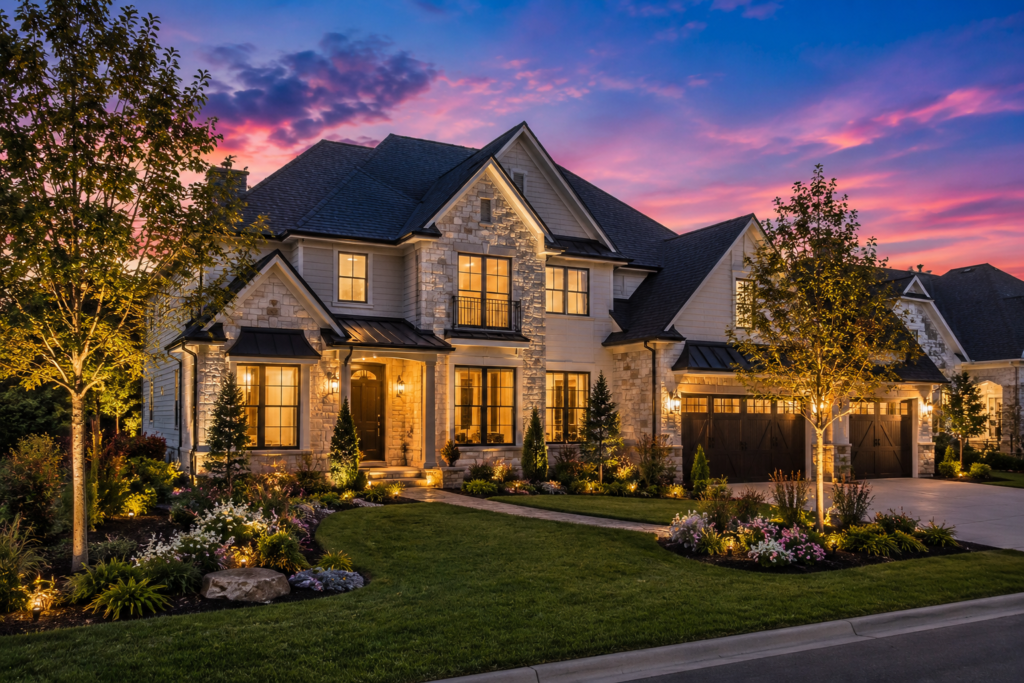
Boutique Hotel Development Adaptive Reuse in Maryland
The majority of Maryland boutique hotel projects involve adaptive reuse converting an existing building to hotel use. This approach is preferred in Maryland’s historic communities because it aligns with local planning goals, satisfies Historic Preservation tax credit eligibility requirements, and creates the authentic character that boutique hotel guests seek. Fortune Homes MD has experience with the specific construction challenges that adaptive reuse hotel projects present.
- Historic Preservation Tax Credits: Maryland’s Historic Tax Credit Program provides a 20% state tax credit for the rehabilitation of certified historic structures available in combination with the 20% Federal Historic Tax Credit for income-producing properties. A $3M boutique hotel rehabilitation in Frederick City that qualifies for both credits generates $1.2M in combined tax credits, dramatically improving project economics. Maryland’s Rehabilitation Tax Credit is administered by the Maryland Historical Trust (MHT).
- CHAP Review in Baltimore City: Boutique hotel conversions in Baltimore City’s historic districts require CHAP (Commission for Historical and Architectural Preservation) review of all exterior alterations. CHAP review requires submission of architectural drawings showing proposed window replacement, facade changes, signage, and mechanical equipment placement. CHAP approval adds 4 to 12 weeks to the permitting timeline but is a prerequisite for historic tax credit eligibility.
- Structural Challenges in Adaptive Reuse: Converting a historic commercial building to hotel use typically requires: seismic bracing for unreinforced masonry construction (common in Maryland buildings pre-1950); floor load enhancement for bathroom plumbing in rooms not originally designed for private baths; egress modifications to meet R-1 occupancy requirements (smoke compartmentation, stairwell enclosure, travel distance to exits); and mechanical shaft creation for HVAC and plumbing that minimizes damage to historic fabric.
- Life Safety Code in Historic Buildings: The Maryland Building Rehabilitation Code (MBRC) provides alternative compliance pathways for historic buildings that allow equivalent life safety without requiring full code compliance modifications that would destroy historic character. Fortune Homes MD works with Maryland State Historic Preservation Office (SHPO) and local building officials to navigate the MBRC for boutique hotel projects.
Boutique Hotel Construction Costs Maryland Adaptive Reuse vs. New Construction
Scenario | Room Count | Construction Cost/Room | Tax Credits Available | Net Cost/Room After Credits |
Historic Building Conversion Annapolis | 25 rooms | $180,000–$280,000 | Federal 20% + MD 20% | $108,000–$168,000 |
Historic Building Conversion Frederick | 20 rooms | $150,000–$240,000 | Federal 20% + MD 20% | $90,000–$144,000 |
New Construction Boutique Eastern Shore | 30 rooms | $140,000–$220,000 | None (new construction) | $140,000–$220,000 |
Mixed-Use Conversion (retail below, hotel above) | 15–25 rooms | $165,000–$260,000 | Depends on historic status | $99,000–$156,000 (if historic) |
Boutique Hotel Renovation (PIP equivalent) | 20–40 rooms | $45,000–$95,000 | MD 20% (if historic) | $36,000–$76,000 |
Ready to Build Your Maryland Commercial Property? Call: (240) 565-4500 | Email: info@fortunehomesmd.com | fortunehomesmd.com MHIC License #138352 Serving All 7 Maryland Counties |
Independent Boutique Hotel vs. Soft Brand (Autograph, Tapestry, Curio)
Maryland boutique hotel developers face a fundamental branding decision: operate as a completely independent hotel or affiliate with a major brand’s soft brand collection (Marriott Autograph Collection, Hilton Curio Collection, Hilton Tapestry Collection, IHG Vignette Collection). Each path has distinct implications for construction specifications, distribution, and investment returns.
- Independent Boutique Hotel: Full creative and operational control; no franchise fees (8%–12% of gross rooms revenue); no brand standards compliance requirements; no mandated FF&E specifications. Disadvantage: no loyalty program affiliation (25%–35% of branded hotel demand comes from loyalty members); independent OTA distribution costs 15%–22% commission vs. 10%–14% for branded hotels. Best for: destination markets with strong independent travel demand (Annapolis waterfront, Eastern Shore, Deep Creek Lake).
- Soft Brand Affiliation (Autograph, Tapestry, Curio): Maintains independent design identity while accessing Marriott Bonvoy, Hilton Honors, or IHG One Rewards loyalty program distribution. Franchise fees lower than hard brand (8%–10% vs. 12%–14%). Brand standards less prescriptive focus on quality standards rather than design uniformity. Best for: urban Maryland markets (Baltimore City, Bethesda) where loyalty program demand is significant.
- Design Requirements for Soft Brand Affiliation: Soft brands require a quality threshold rather than a design template finishes, amenities, and service levels must meet the brand’s quality standards, but the design aesthetic is the developer’s choice. This allows Maryland boutique hotel developers to express local character while accessing national distribution.
Frequently Asked Questions Boutique Hotel Maryland
A: Boutique hotel development in Maryland costs $140,000 to $320,000 per room depending on the construction approach. A new construction boutique hotel on the Eastern Shore runs $140,000 to $220,000 per room. An adaptive reuse conversion of a historic building in Annapolis or Frederick runs $150,000 to $280,000 per room before historic tax credits. After Maryland’s 20% state Historic Tax Credit and the 20% Federal Historic Tax Credit, the net cost falls to $90,000 to $168,000 per room for qualifying historic conversions making adaptive reuse the most economically attractive Maryland boutique hotel development strategy when historic tax credit eligibility can be established.
A: The strongest Maryland boutique hotel development markets are Annapolis (Naval Academy events, Chesapeake Bay destination, State capital demand ADR $180–$280), St. Michaels and Oxford on the Eastern Shore (affluent leisure demand, limited supply, seasonal compression ADR $195–$320), Frederick City (growing downtown, wine trail proximity, DC weekend escape market ADR $155–$240), and Baltimore City’s waterfront neighborhoods including Fells Point and Harbor East (urban leisure and medical demand ADR $145–$225).
A: Yes. Maryland’s Rehabilitation Tax Credit (20% of qualified rehabilitation expenditures) is available for the rehabilitation of certified historic structures used for income-producing purposes, including hotels. Combined with the 20% Federal Historic Tax Credit, a Maryland historic hotel rehabilitation can generate tax credits worth 40% of eligible construction costs dramatically improving project returns. The property must be a certified historic structure (listed in or eligible for the National Register of Historic Places), and the rehabilitation must meet the Secretary of the Interior’s Standards for Rehabilitation. Maryland Historical Trust administers the state credit.
Related Services
Ready to Build Your Maryland Commercial Property? Call: (240) 565-4500 | Email: info@fortunehomesmd.com | fortunehomesmd.com MHIC License #138352 Serving All 7 Maryland Counties |