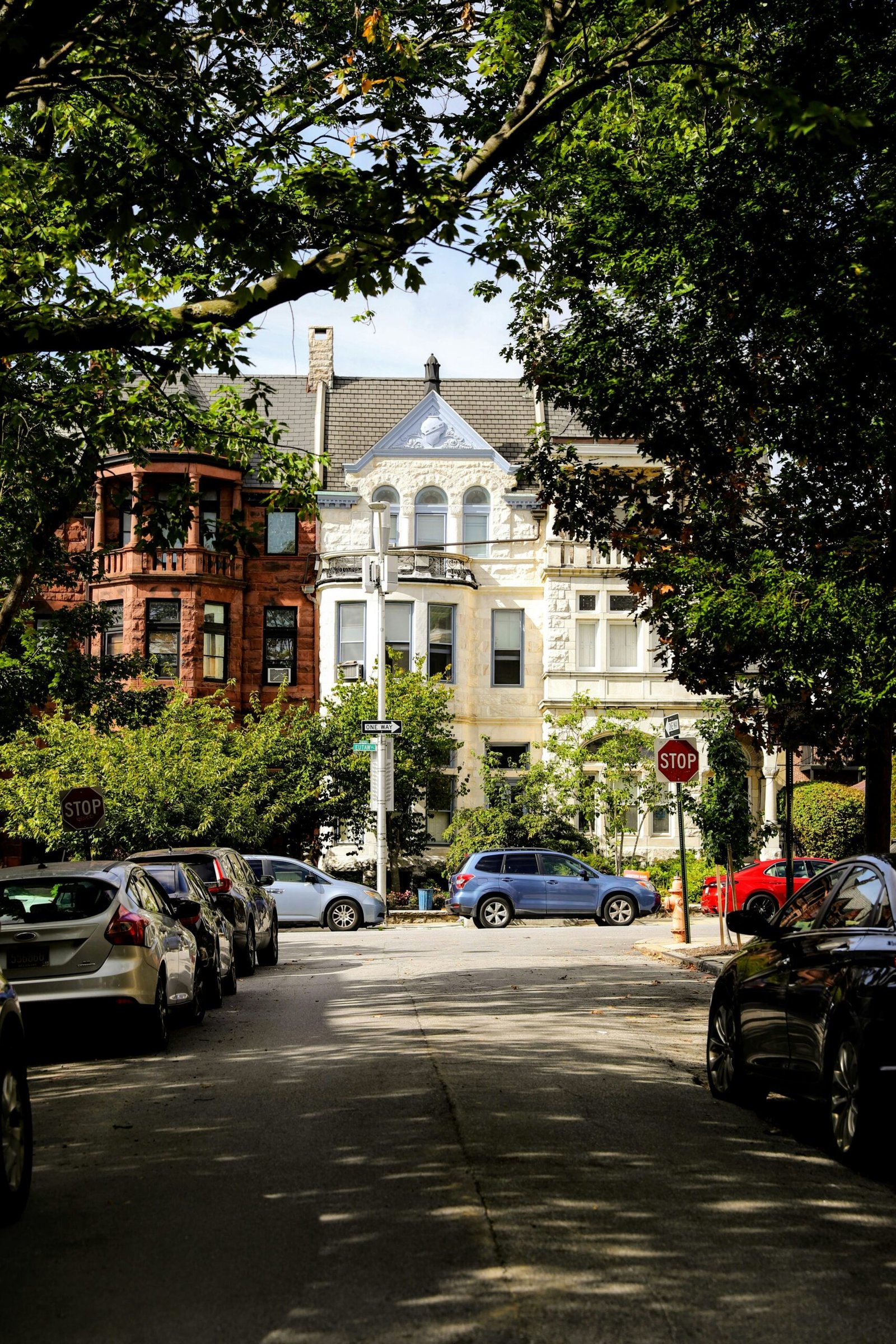
Baltimore’s flip market is not uniform. Two neighborhoods separated by ten blocks can have completely different ARV ceilings, renovation scopes, buyer profiles, and days-on-market patterns. Investors who treat Baltimore as one market end up either over-improving in areas that don’t support it or under-spending in neighborhoods where a cleaner renovation would have returned significantly more.
This breakdown covers the eight Baltimore neighborhoods that are producing the most consistent flip results right now, based on what we’re seeing on the ground with renovation projects across the city. Each entry includes the realistic ARV range, typical renovation scope, and what makes the neighborhood worth watching in 2026.
Canton
Canton remains Baltimore’s most predictable flip market. Rowhomes here sell in the $280,000 to $380,000 range after a solid renovation, and buyer demand is steady year-round rather than just in spring. The renovation scope for Canton needs to be mid-to-upper range (buyers expect quartz countertops, updated bathrooms, and hardwood floors rather than LVP. A light renovation won’t cut it here.
Typical renovation cost for a Canton rowhome: $55,000 to $85,000. ARV: $295,000 to $370,000. The neighborhood’s proximity to the waterfront and the restaurant corridor keeps demand strong, and well-done flips move fast. Competition from other investors is real, and you’ll pay more for the acquisition) deals here require you to buy right.
Federal Hill
Federal Hill sits just south of downtown and attracts young professionals and couples priced out of Canton. Sale prices for renovated rowhomes run $260,000 to $340,000, and buyers here are slightly less demanding than Canton on finishes but still expect a clean, updated property. A mid-range kitchen and updated bathrooms with fresh floors throughout typically moves well.
Renovation cost: $45,000 to $70,000. Days on market for well-priced flips: 12 to 25 days in spring. Federal Hill has the advantage of being slightly more accessible pricewise on acquisition while still producing strong ARVs.
Hampden
Hampden has a distinct character (the “Hon” culture, the Avenue, the mix of longtime residents and young renters who eventually buy nearby. Renovated rowhomes sell for $220,000 to $300,000 depending on street and condition. The buyer pool here is value-conscious but responds to tasteful renovations that preserve the neighborhood’s character rather than over-modernizing.
Renovation cost: $40,000 to $65,000. Hampden is one of the better value-play neighborhoods because acquisition costs are still reasonable relative to ARV. The renovation sweet spot is mid-grade: updated kitchen and bathrooms without going premium, solid floors, fresh paint, good curb appeal.
Remington
Remington has had one of the most consistent trajectories of any Baltimore neighborhood over the past decade. The R. House food hall and continued investment in the area have pulled buyer attention toward Remington as an alternative to Hampden and Charles Village. ARVs are running $200,000 to $270,000 for typical rowhomes, and the buyer profile is similar to Hampden) young professionals looking for value.
Renovation cost: $35,000 to $55,000 for a standard scope. The margins here are tighter than Canton or Federal Hill, but acquisition costs reflect that. For investors who can buy at the right price, Remington produces solid returns on leaner renovation budgets.

Pigtown (Washington Village)
Pigtown is one of the most interesting emerging flip markets in Baltimore right now. Officially Washington Village, the neighborhood borders the Carroll Park Golf Course and sits adjacent to Carroll-Camden Industrial Area where development has been active. Renovated rowhomes are hitting $160,000 to $220,000, and that ceiling has been rising.
Renovation scope here should stay lean (mid-grade at most. Buyers in this range are sensitive to price, and over-improving doesn’t return well. A clean renovation with solid bones, updated kitchen, refreshed bathrooms, and new floors typically produces the best return. Renovation cost: $28,000 to $45,000. The opportunity here is the spread) if you buy distressed in Pigtown at the right price, the margins can be excellent.
Park Heights
Park Heights has been a target of significant city investment over the past several years as part of Baltimore’s northwest revitalization push. The neighborhood has more volatility than established flip markets, but the upside potential is meaningful for investors who understand the area. ARVs vary significantly by block: well-renovated properties in the better sections of Park Heights are reaching $140,000 to $190,000.
This market rewards investors who know the neighborhood block by block rather than treating it broadly. A property on a block with active renovation and good neighboring homes can sell well. A property on a block with more distressed stock sits longer. Do your comp work tightly before buying here. Renovation cost: $25,000 to $40,000 for typical scope. Lighter finishes are appropriate for the price point.
Highlandtown
Highlandtown sits in East Baltimore and has seen steady interest from investors and first-time buyers over the past few years. The Hispanic community, local restaurants, and arts scene have given it character. ARVs for renovated rowhomes: $170,000 to $240,000. Renovation scope similar to Hampden and Remington (mid-grade, practical.
Renovation cost: $30,000 to $50,000. Highlandtown is a solid working market without the competition intensity of Canton or Federal Hill. Buyers are practical and value-focused, which means finishes don’t need to be premium but do need to be clean and current.
Cherry Hill
Cherry Hill is the highest-upside and highest-risk play on this list. The neighborhood sits in South Baltimore and has been the target of significant public investment. In 2026, Cherry Hill is genuinely transitional) some blocks are cleaning up meaningfully while others still have challenges. ARVs for renovated properties are in the $120,000 to $170,000 range.
Investors who are active here are typically doing so at a lower price point with lean renovation scopes, betting on continued neighborhood improvement. The risk is higher, the acquisition costs are lower, and the rewards can be significant for investors who get in early and know the specific blocks worth targeting. Not a first-flip market, better suited to experienced investors with local knowledge.
What Affects Renovation Cost by Neighborhood
Beyond finishes, a few structural factors drive renovation cost differences across Baltimore neighborhoods. Lead paint is prevalent in pre-1978 construction, which covers most of the city. Knob-and-tube wiring is common in pre-1940 stock. Properties in older, more established neighborhoods like Canton often have plumbing that’s been maintained longer; some properties in transitional neighborhoods have more deferred maintenance that surfaces during renovation.
Permit timelines are uniform across Baltimore City since they all go through the same Department of Housing and Community Development, but inspector availability and queue times vary. Budget two to four weeks for permit approvals on permitted work regardless of the neighborhood.
Our property analysis team evaluates flip opportunities across all of these neighborhoods. If you’re looking at a property and want a renovation cost assessment and ARV opinion before you make an offer, reach out for a consultation.
Frequently Asked Questions
Which Baltimore neighborhood is best for a first-time fix and flip?
Hampden and Remington are typically the best starting points for new investors. The acquisition costs are more accessible than Canton or Federal Hill, the renovation scope is straightforward, and the buyer pool is active. Both neighborhoods have enough comparables to run ARV analysis reliably.
How much profit can I make on a Baltimore flip?
Gross profit on a well-executed Baltimore flip typically runs $25,000 to $55,000 depending on neighborhood and acquisition price. Net profit after taxes, holding costs, and selling costs varies. Experienced investors targeting the right neighborhoods and buying right can build meaningful income flipping in Baltimore, but the learning curve is real.
Are Baltimore flip prices still rising in 2026?
In most established Baltimore neighborhoods, ARVs have been relatively stable through 2025 and into 2026 after the run-up earlier in the decade. The biggest upside opportunity is in transitional neighborhoods like Pigtown and Park Heights where continued investment is still driving appreciation. Established neighborhoods like Canton and Federal Hill have less appreciation upside but more predictability.