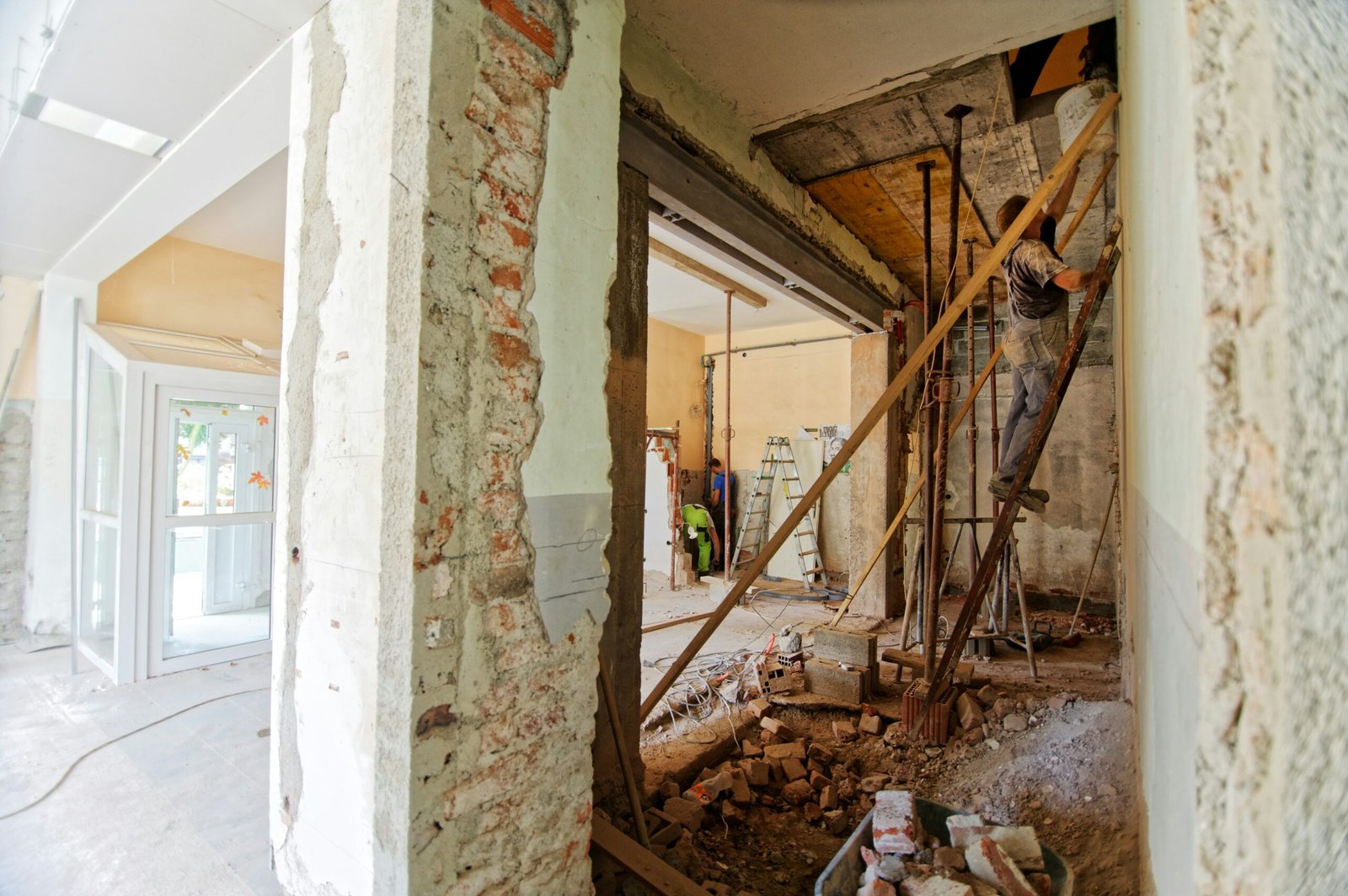

The contractor you choose for a Maryland fix and flip will determine your timeline, your budget, and your finished product more than almost any other decision. A good flip contractor can make a mediocre deal work. A bad one can turn a solid deal into a money-loser. The challenge is that most contractors who do good residential work are not good flip contractors (the skill set and work style are different.
This guide covers what to look for in a Maryland fix and flip contractor, how to vet them, and what the process should look like once you’ve hired someone.
Why a Flip Contractor Is Different From a Regular GC
A homeowner’s contractor and an investor’s contractor are not the same person. A homeowner’s contractor is focused on quality and finish) they take time, they’re meticulous, and they price accordingly. That’s appropriate for a home someone will live in for twenty years.
An investor’s contractor needs to be fast and efficient without sacrificing the quality that buyers expect. They need to understand renovation scope for resale rather than personal preference (which means knowing what finishes matter at which price point and not over-spending on things that don’t return value. They need to be familiar with Maryland permit processes because flips regularly involve permitted work. And they need to be able to coordinate multiple subcontractors in a sequence that keeps the project moving rather than waiting weeks between trades.
Most general contractors don’t work this way by default. Finding one who does is the job.
Maryland MHIC License: The First Filter
Before anything else, verify that any contractor you’re considering holds a current Maryland Home Improvement Commission (MHIC) license. This is not optional and not a technicality. Maryland law requires it for anyone performing home improvement work for compensation. Unlicensed contractors create legal exposure for you as the property owner, and if the work causes a problem that surfaces during your buyer’s inspection or after the sale, you have limited recourse without a licensed contractor in the chain.
Verification is free and takes two minutes at the MHIC website. Search by contractor name or license number. Check that the license is active, not expired or suspended. Do this every time you hire a new contractor, even if you’ve worked with them before) licenses can lapse.
10 Questions to Ask Before Hiring a Flip Contractor
1. How many investment property renovations have you completed in Maryland? You want someone with actual flip experience, not just residential remodeling. A contractor who’s done thirty personal home renovations has different habits from one who’s done thirty investment property renovations.
2. Can you provide three references from Maryland investors you’ve worked with? Call the references. Ask specifically about timeline adherence, budget accuracy, communication, and whether they’d hire that contractor again.
3. How do you handle permit management? An experienced flip contractor knows which work requires permits in the relevant county and handles the application and inspection coordination rather than leaving it to you.
4. What subcontractors do you use, and are they licensed? The GC’s license doesn’t cover their subs. Electrical, plumbing, and HVAC work should be done by licensed tradespeople. Ask who they use and verify those licenses too.
5. How do you structure your contracts? Fixed-price contracts give you cost certainty. Cost-plus contracts (you pay cost plus a markup) can be appropriate for projects with significant unknowns, but you need very clear documentation of what’s included and what’s not.

6. What’s your current project load, and when could you start? A contractor who can start immediately may be underbooked for a reason. A contractor with a three-month backlog may be popular for good reason but won’t work for your timeline. Know what you’re getting into.
7. How do you handle scope changes and unexpected issues? In flip renovations, unexpected issues are inevitable. How a contractor communicates, prices, and manages change orders tells you a lot about how the project will go when something surfaces.
8. Do you carry liability insurance and workers’ comp? Both should be current and verifiable. Ask for a certificate of insurance directly from their insurance provider, not a document they hand you.
9. Can you work within an investor’s timeline constraints? Explain your timeline clearly. If you need to be on market by a specific date, say so. A contractor who can commit to a completion date and has a track record of hitting those dates is worth paying a premium for.
10. What does your communication process look like? Weekly updates? Daily photos? A project management software? The answer tells you how much visibility you’ll have and how much you’ll have to chase for information.
Red Flags to Watch For
A contractor who asks for a large upfront payment before work starts is a risk. Standard practice is a smaller deposit with milestone payments tied to completed phases. A contractor who won’t provide references from recent investor clients is hiding something. A contractor who dismisses permit requirements as unnecessary overhead doesn’t understand investor liability. A contractor who lowballs the bid significantly below other quotes either missed scope items or plans to make it up through change orders.
How Fortune Homes MD Works With Maryland Investors
We specialize in investment property renovations) fix and flips, BRRRR renovations, and rental property upgrades. Our process starts with a pre-purchase walkthrough to identify renovation scope before you commit to acquiring a property. Once you close, we coordinate permits, schedule subcontractors, manage the timeline, and deliver a finished product scoped for resale value rather than personal preference.
We work across Baltimore City, Baltimore County, Howard County, Montgomery County, and Prince George’s County. If you’re evaluating a fix and flip opportunity in Maryland and want to know the renovation cost before you make an offer, contact us for a property consultation.
Frequently Asked Questions
Do I need a licensed contractor for a Maryland fix and flip?
Yes. Maryland law requires MHIC (Maryland Home Improvement Commission) licensing for anyone performing home improvement work for compensation. As the property owner, hiring unlicensed contractors creates liability for you and can create issues at resale if the work is flagged during inspection or appraisal.
What’s a fair contractor fee for a Maryland fix and flip renovation?
Contractor markup (overhead and profit) on a Maryland flip renovation typically runs 15 to 25 percent over subcontractor and material costs. For a $50,000 renovation, expect to pay $57,500 to $62,500 total. Bids significantly below this range often miss scope items or plan to make up the difference through change orders.
Should I use a fixed-price or cost-plus contract for a Maryland flip?
Fixed-price contracts provide cost certainty, which is valuable for investor budgeting. Cost-plus contracts are sometimes appropriate for properties with significant unknowns (severe deferred maintenance, potential structural issues) where the full scope can’t be determined until demo. If you use cost-plus, make sure the markup percentage and expense documentation requirements are clearly defined in the contract.