Most Maryland flips that lose money don’t fail because of bad luck. They fail because of predictable mistakes that experienced investors have already made and learned from. The categories are consistent: wrong renovation scope, wrong contractor, wrong permits, wrong timeline. Here are the ten mistakes we see most often, and what to do instead.
Mistake 1: Underestimating the Renovation Scope Before You Buy
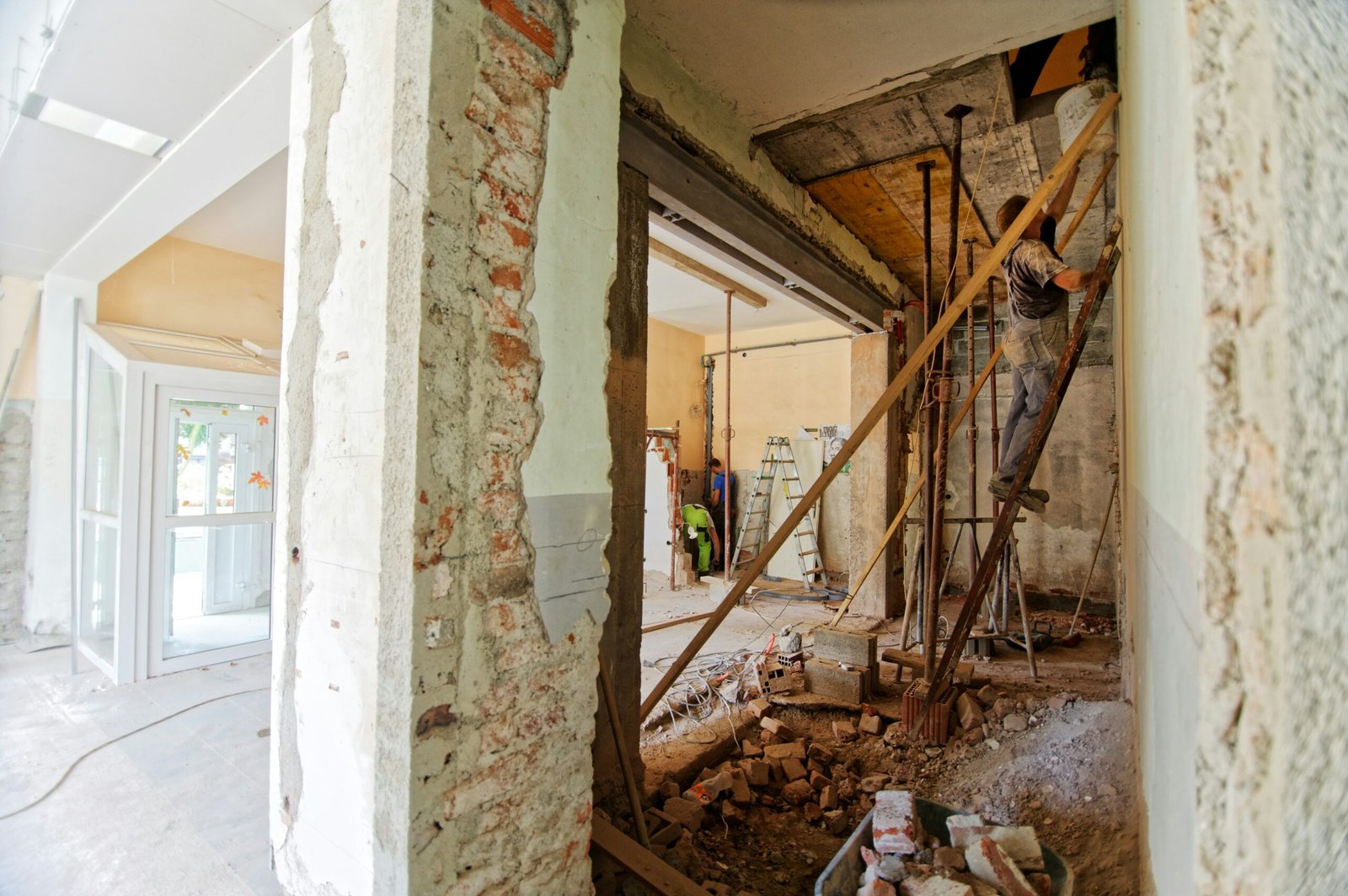
The most expensive mistake happens before you own the property. An investor walks through a Baltimore rowhome, sees cosmetic issues, and prices the renovation at $30,000. After closing, demo reveals knob-and-tube wiring throughout the house and original cast-iron plumbing that needs replacement. Renovation cost is now $70,000. The deal that looked like a $40,000 profit is now a break-even or a loss.
The fix is a thorough pre-offer inspection. Not a standard home inspection (a contractor walkthrough specifically designed to identify renovation scope. Our property analysis team does these before investors make offers. The cost is small relative to what a surprise renovation cost can do to your margins.
Mistake 2: Hiring an Unlicensed Contractor
Maryland requires all home improvement contractors to hold a valid Maryland Home Improvement Commission (MHIC) license. Hiring an unlicensed contractor creates several problems: limited legal recourse if work is done wrong, potential permit issues if the work requires licensed tradespeople, and liability exposure during the sale if a buyer’s inspector or agent flags unlicensed work.
Verifying MHIC licensure takes two minutes on the Maryland DHCD website. Do it for every contractor you hire, every time. An unlicensed contractor offering a lower bid is not a deal) it’s risk transfer onto you.
Mistake 3: Skipping Permits on Work That Requires Them
Investors skip permits because permits cost money and time. The tradeoff is significant risk. In Maryland, unpermitted work that’s discovered during a buyer’s inspection or appraisal creates a negotiating problem at best and a deal-killer at worst. Buyers can request that the work be permitted, inspected, and signed off (which may require opening walls to get to the rough work. The cost of retroactive permitting almost always exceeds the cost of getting the permit before the work starts.
Work that requires permits in most Maryland jurisdictions: structural changes, electrical panel upgrades, plumbing modifications, HVAC replacement in some counties, and any work that affects the building envelope. When in doubt, call the local building department. They’ll tell you what requires a permit in their jurisdiction.
Mistake 4: Over-Improving for the Neighborhood
A $280,000 sale price neighborhood does not support custom cabinetry and quartz countertops in the same way a $400,000 neighborhood does. When you install $45,000 worth of kitchen finishes in a house that will sell for $230,000, that money doesn’t come back. The buyer’s budget is set by the neighborhood ceiling, not by what you installed.
The fix is to pull comparables before you set the renovation scope, not after. Look at what recently sold homes in that specific area have) not what you’d like to install, not what looks impressive on a renovation show. Match the neighborhood standard or go slightly above it. Going significantly above it is money left on the table.
Mistake 5: Choosing the Wrong Materials for Resale
Some materials that look premium don’t appraise or photograph well. Some materials that photograph beautifully are hard to maintain and deter buyers. Marble countertops in a flip, for example, look great but require sealing and can stain (buyers who know this will negotiate around it or pass. Trendy tile patterns that appeal to one buyer type will alienate others.
For most Maryland flips, the goal is the widest buyer appeal: white or light gray shaker cabinets, quartz countertops, subway tile backsplash, LVP or refinished hardwood floors, neutral paint. These choices photograph well, appeal broadly, and don’t give buyers a reason to negotiate based on materials.

Mistake 6: Not Building in a Contingency Budget
Every experienced Maryland flipper builds a contingency into their budget. The standard is 10 to 15 percent of the renovation estimate. On a $60,000 renovation estimate, that’s $6,000 to $9,000 held in reserve. The contingency exists because renovation work always surfaces surprises) a joist that needs sistering, a plumbing rough-in that needs relocating, a window that’s rotted behind the trim.
Investors who budget to the last dollar with no contingency are one surprise away from going over budget and into their margin. Investors who build in a contingency either absorb surprises without stress or finish under budget and keep the difference.
Mistake 7: Ignoring Structural Issues to Save Money on Cosmetics
Some investors buy a property with a known structural issue, plan to do cosmetics only, and sell it as-is with disclosure. This can work in the right market. But many investors ignore structural issues and then do expensive cosmetics on top of them, creating a property that looks great on the surface but fails inspection or has issues that surface during the buyer’s due diligence.
Address structural issues before finishing work. A crack in the foundation that’s cosmetically covered will show up on a structural inspection report and create a renegotiation or a terminated contract. Fixing it after the cosmetics are done may require undoing finished work to get access.
Mistake 8: Letting the Timeline Drift
Every week a flip sits unsold or unfinished costs money. A $200,000 hard money loan at 12% interest costs $2,000 per month in interest. Property taxes accrue. Insurance runs. Utilities run. A four-month renovation that takes six months adds two months of holding costs that weren’t in the budget.
The fix is parallel scheduling: permits applied for before closing, materials ordered as soon as the scope is finalized, subcontractors scheduled in sequence rather than discovered one at a time. Experienced project managers run flips with overlapping phases rather than sequential ones.
Mistake 9: Mispricing the Finished Property
A flip that’s priced too high sits. When a property sits three to four weeks, buyer agents start asking what’s wrong with it, and offers come in lower than they would have in week one. A flip priced at 5% above where it should be often sells for 3 to 5% below where a well-priced property would have sold.
Price the finished property at the market rate or slightly below to drive showings in the first week. Multiple showings in the first week create competitive offers. A property that generates competitive offers in the first two weeks typically sells above asking. Price aggressively on the front end rather than chasing the market down.
Mistake 10: Doing It All Without Help
First-time and early-career flippers often try to self-manage everything: find the deal, run the renovation, manage the contractors, handle the sale. This works if you have the time and knowledge, but most investors don’t have deep renovation project management experience when they start. The cost of doing it wrong (scope errors, contractor issues, timeline slippage) can exceed the cost of working with experienced partners.
At Fortune Homes MD, we work with Maryland investors on the full fix and flip process, including renovation project management. Investors who use experienced partners on their first several projects typically learn faster and lose less money than those who figure it out alone.
Frequently Asked Questions
What is the most common reason fix and flip projects lose money in Maryland?
Buying wrong (paying too much for the acquisition or underestimating the renovation scope before purchase) is the most common reason Maryland flips underperform or lose money. The margin is set at acquisition, and renovation surprises that weren’t identified in due diligence erode that margin.
How much contingency should I add to a Maryland flip budget?
10 to 15 percent of the renovation estimate is the standard. On older Baltimore stock (pre-1940 properties with original plumbing and electrical) the higher end of that range is more appropriate because the probability of surprises is higher.
What happens if I skip permits on a Maryland flip?
Unpermitted work discovered during a buyer’s inspection or appraisal creates a negotiating problem or deal termination. In the worst case, retroactive permitting requires opening walls to inspect rough work that was already finished. The cost of retroactive permitting plus repair almost always exceeds the original permit cost.