
Most articles about house flipping talk about the investor side: finding deals, calculating ARV, getting hard money loans. That’s all useful, but if you don’t understand what actually happens during a renovation in Maryland, you’re carrying a blind spot that can wipe out your profit margin before you even list the property.
This guide covers the contractor’s perspective on flipping houses in Maryland. What to look for in a property before you make an offer. How the permit process works county by county. What a realistic renovation timeline looks like. And where budget overruns come from, because they almost never come from where investors expect.
Whether you’re working on your first fix and flip or looking to scale up your portfolio, understanding how the renovation side works will change how you underwrite deals.
What a Contractor Notices That Investors Often Miss
Investors run numbers. Contractors look at the house. And those two things are not always looking at the same problems.
The biggest mistake first-time flippers make is underestimating renovation scope before they submit an offer. There’s a significant difference between a cosmetic flip and a structural one, and that gap can mean $40,000 to $80,000 in unexpected work.
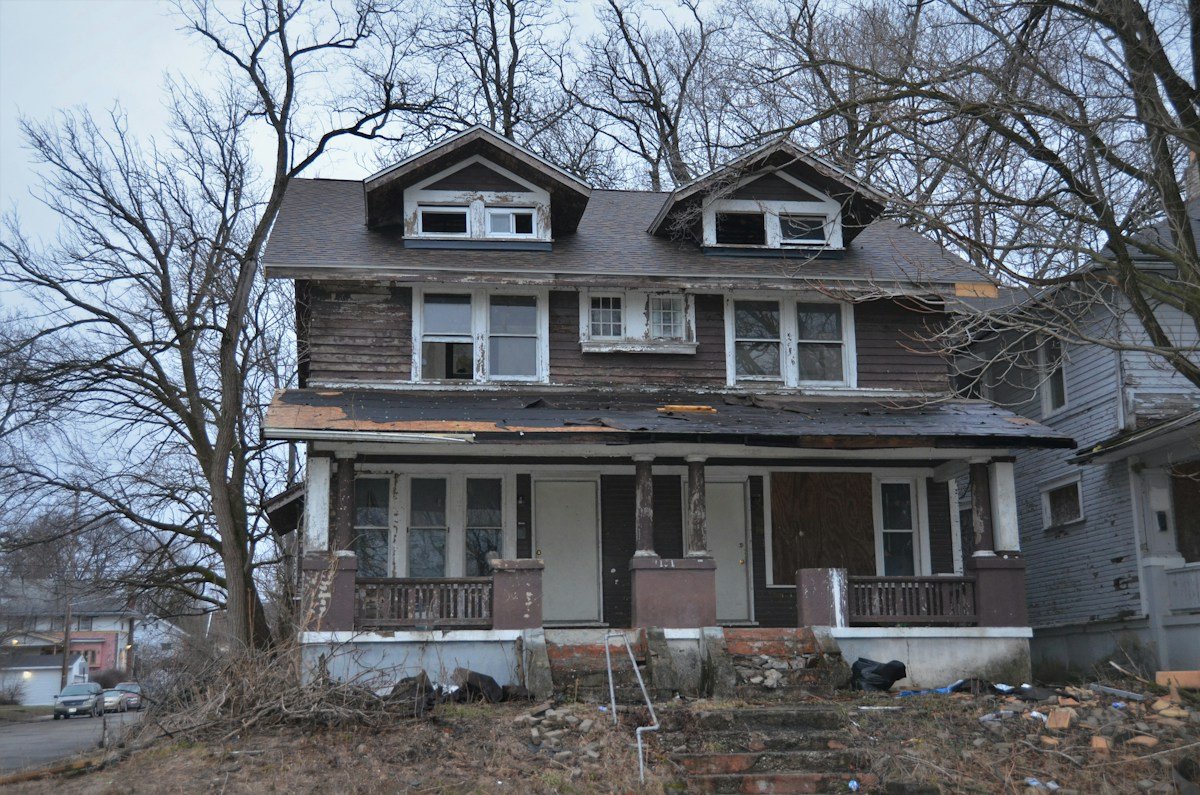
Cosmetic flips have outdated kitchens and bathrooms, old flooring, peeling paint, and dated fixtures. They look rough but they’re straightforward to renovate. Structural issues are a different category entirely. Uneven floors suggest foundation settlement. Diagonal cracks through brick or drywall are a warning sign. A musty basement smell usually means water intrusion. A sagging roofline is obvious when you know to look for it.
In Maryland, older homes in Baltimore City, Towson, and historic neighborhoods across the state frequently have lead paint, knob-and-tube wiring, or cast iron plumbing. None of those are automatic deal-killers, but they’re all cost multipliers you need to price into your offer before you sign anything.
The practical solution: walk through every property with a licensed contractor before submitting an offer, or at minimum budget for a home inspection plus a separate contractor walkthrough. The inspector tells you what’s wrong. The contractor tells you what it costs to fix it and how long it takes.
Our team at Fortune Homes MD regularly does pre-offer walkthroughs with investors in the Baltimore area. It takes a couple of hours and it has saved more than one client from a deal that looked good on paper but would have been a disaster in practice.
How to Assess Renovation Scope Before Work Starts

Once you’re under contract, the first step is a detailed scope-of-work assessment. Not a ballpark. A room-by-room breakdown of every line item that needs to happen before the property is market-ready.
A proper scope covers structural repairs, all three mechanical systems (HVAC, plumbing, electrical), exterior work, interior finishes, kitchen and bath renovations, and the punch list at the end. It takes time to put together correctly, and it’s worth every minute.
Our first walkthrough on a standard Baltimore-area flip typically runs two to three hours. We bring a checklist, take measurements, document with photos, and deliver a written scope within 48 hours. That document becomes the basis for your project timeline, your permit applications, and your budget.
Skipping this step is how investors get surprised in week six when they find out the HVAC system needs full replacement and nobody budgeted for it. A thorough scope doesn’t prevent surprises entirely, but it prevents the ones you could have seen coming.
See how our renovation services work for investors in Maryland.
Why MHIC Licensing Matters for Your Flip
Maryland requires all home improvement contractors to hold a current Maryland Home Improvement Commission (MHIC) license. This applies to any renovation work on a residential property, and it’s enforced seriously.
Hiring an unlicensed contractor creates specific problems for flippers. Permits may be denied. Inspections can fail. You can be held liable for work that doesn’t meet code, even if you didn’t do the work yourself. Title companies flag unlicensed work during closing, which creates problems right when you’re trying to sell.
When you’re talking to contractors about your flip, ask for their MHIC license number and verify it on the MHIC website. Any legitimate contractor hands that over without hesitation.
Beyond MHIC, for substantial renovation projects you also want to confirm your contractor carries general liability insurance of at least $1 million, workers’ compensation coverage, and the required permits for your specific county.
That last point deserves its own section, because Maryland’s permit requirements are one of the things that catches out-of-state investors most often.
Maryland’s County-by-County Permit Process
Each county in Maryland runs its own Department of Permits and Inspections. That means the timeline, the fees, and the required documentation are different depending on where your flip is located. If you’re used to a state with centralized permitting, this takes some adjustment.
Baltimore City requires permits for structural work, electrical, plumbing, and HVAC. Standard residential renovation permits currently run three to six weeks for processing. Properties in historic districts — Federal Hill, Canton, Fells Point, and others — require additional review from the Commission for Historical and Architectural Preservation (CHAP), which adds time. Factor this in from day one if you’re working in any of those neighborhoods.
Baltimore County generally processes faster than the city, usually two to four weeks for standard residential work. Online permitting is available for many project types.
Montgomery County has detailed requirements, particularly for older homes. Budget four to six weeks for permit processing and make sure your contractor knows Montgomery County’s specific codes.
Anne Arundel County typically processes most residential permits in two to three weeks. Their online portal works well and most contractors who work in the area know the system.
Prince George’s County has updated their permit portal recently. Standard residential permits take three to five weeks under the current system.
The main takeaway here: permit timelines go into your project schedule from the start, not as an afterthought. A twelve-week renovation plan that didn’t account for a five-week permit wait before structural work could start is actually a seventeen-week project. That’s five extra weeks of carrying costs on a hard money loan.
Our project management team handles permit applications in all major Maryland counties. We know which inspectors to work with, which documentation each county needs, and how to avoid the back-and-forth that causes delays.
What a Realistic Fix and Flip Timeline Looks Like in Maryland

The “90-day flip” that shows up constantly in real estate investing content is a useful benchmark, but it’s not what most Maryland flips actually look like.
A complete renovation of a Baltimore rowhouse from gut to finished typically takes twelve to eighteen weeks with a competent contractor and no major surprises. Here’s what those weeks actually look like:
Weeks 1–2: Demo and structural. Demolition moves fast. A full gut of a standard rowhouse can be done in three to five days. Structural repairs, framing corrections, and foundation work follow immediately after.
Weeks 2–4: Rough-in mechanical. Plumbing rough-in, electrical rough-in, and HVAC installation all happen before walls go up. Each phase requires inspections before you can move to the next, so there’s no compressing this by doing everything at once.
Weeks 4–5: Inspections and drywall. After rough-in inspections pass, drywall goes up. Taping, mudding, and sanding takes about a week for a standard rowhouse. This is also when you order cabinets if you haven’t already — cabinet lead times in 2026 run four to six weeks for semi-custom, so this is actually something you should have ordered before demo started.
Weeks 5–9: Interior finishes. Flooring, cabinets, countertops, tile, and paint. This is the longest phase and where the property starts to look like something. Cabinet delivery timing drives a lot of the scheduling here.
Weeks 9–11: Fixtures, trim, and hardware. Lighting, plumbing fixtures, doors, door hardware, and trim. This phase moves quickly but attention to detail matters more here than anywhere else in the project.
Weeks 11–12+: Final inspections and staging. Final inspections happen in stages, and in Baltimore City inspector availability can add a week to this phase. After final sign-off, staging and professional photography, then listing.
That timeline assumes permits were pulled on time, materials were ordered early, and there were no major surprises in the walls. When any of those go sideways, add time accordingly.
How to Prevent Scope Creep and Budget Overruns
Scope creep is responsible for more failed fix-and-flip deals in Maryland than anything else. It’s not dramatic — it’s death by a thousand small additions. “We already have the walls open, so we might as well…” turns into a $25,000 swing that wasn’t in anyone’s budget.
Three things actually prevent this:
First, a detailed written scope before any work starts. If it’s not in the signed contract, it doesn’t exist as far as your budget is concerned. Every change to the original scope should go through a written change order with a revised cost before any work begins. No exceptions.
Second, a real contingency budget. On any Maryland renovation, build in 10–15% for unknowns. For older Baltimore City homes built before 1950 — which is a large percentage of the inventory — budget 15–20%. You won’t always use it. But when you find knob-and-tube wiring hiding behind a wall that wasn’t supposed to have any, you’ll be glad it’s sitting in your spreadsheet.
Third, consistent communication with your contractor. Weekly project updates should be standard, and any potential scope changes should surface before they become work that’s already been done. A good contractor flags concerns early; a bad one tells you about problems after they’ve already handled them their own way.
At Fortune Homes MD, we use a project management system that gives investors real-time visibility into project status, active work orders, and any flagged items. This kind of transparency isn’t universal in the contracting industry, but we think it’s how investment projects should run.
Final Punch List and Staging
The punch list is the final checklist of small items that need to be finished before the property is ready for photos. It sounds like a minor phase, but what’s on that list matters more than investors usually expect.
Buyers’ agents notice paint touch-ups around trim and doors that weren’t done right. They notice cabinet hardware that doesn’t line up. Grout that hasn’t been cleaned or sealed. Light fixtures that aren’t quite level. Landscaping that nobody touched while the renovation was happening inside.
Budget three to five days for punch list and touch-ups. Even minimal staging — key furniture in the main rooms — tends to add five to ten percent to the final sale price in competitive Maryland markets. It’s one of the better returns per dollar you can find at the end of a flip.
Frequently Asked Questions About Flipping Houses in Maryland
How much does it cost to flip a house in Maryland?
Construction costs alone for a gut renovation of a 1,200–1,500 square foot Baltimore rowhouse typically run $80,000–$140,000. Add purchase price, hard money financing, carrying costs, agent commissions, and closing costs, and you’re looking at a complete picture of what a flip actually costs. Lower cost neighborhoods in Baltimore City offer lower entry points, but the renovation costs per square foot don’t change as much as investors expect.
How long does a fix and flip take in Maryland?
Twelve to eighteen weeks for a complete renovation, from demo to listing-ready. That range assumes permits are pulled on time and there are no major structural surprises. Baltimore City projects on the longer end of that range; Baltimore County projects tend to run slightly faster.
Do I need permits for a house flip in Maryland?
Yes. Structural, electrical, plumbing, and HVAC work all require permits in Maryland counties. Your contractor should handle permit applications as part of their scope. Unpermitted work creates problems when you go to sell — title companies and buyers’ agents look for this.
Do I need an MHIC-licensed contractor in Maryland?
Yes. The Maryland Home Improvement Commission requires licensing for home improvement contractors. Work done by unlicensed contractors can affect your permit approvals, final inspections, and your sale. Verify any contractor’s MHIC number before signing a contract.
What are the best neighborhoods for house flipping in Baltimore?
Pigtown, Park Heights, Waverly, and parts of East Baltimore continue to offer relatively low purchase prices with rising ARVs. Established flip neighborhoods like Canton and Federal Hill have compressed margins but easier comps. Where the best opportunity is depends on your capital, timeline, and risk tolerance.
How do I find a contractor for fix and flip projects in Maryland?
Look for contractors with MHIC licensing, experience specifically with investment properties (not just owner-occupied renovations), and references from other investors they’ve worked with. The work style and communication expectations for a flip are different from a regular remodel, so contractor experience with investors matters.
Ready to Plan Your Maryland Flip?
The contractor relationship on a fix-and-flip project is as important as your financing. A contractor who understands investor timelines, knows how permits work in your target county, and communicates clearly throughout the project is the difference between a profitable flip and a deal that drags out for months and eats your margins.
Fortune Homes MD works with real estate investors across Maryland on fix-and-flip renovations, new construction builds, and rental property upgrades. If you’re evaluating a property and want a realistic scope and timeline before you make an offer, reach out to start a conversation.
Get a free consultation for your Maryland flip project →